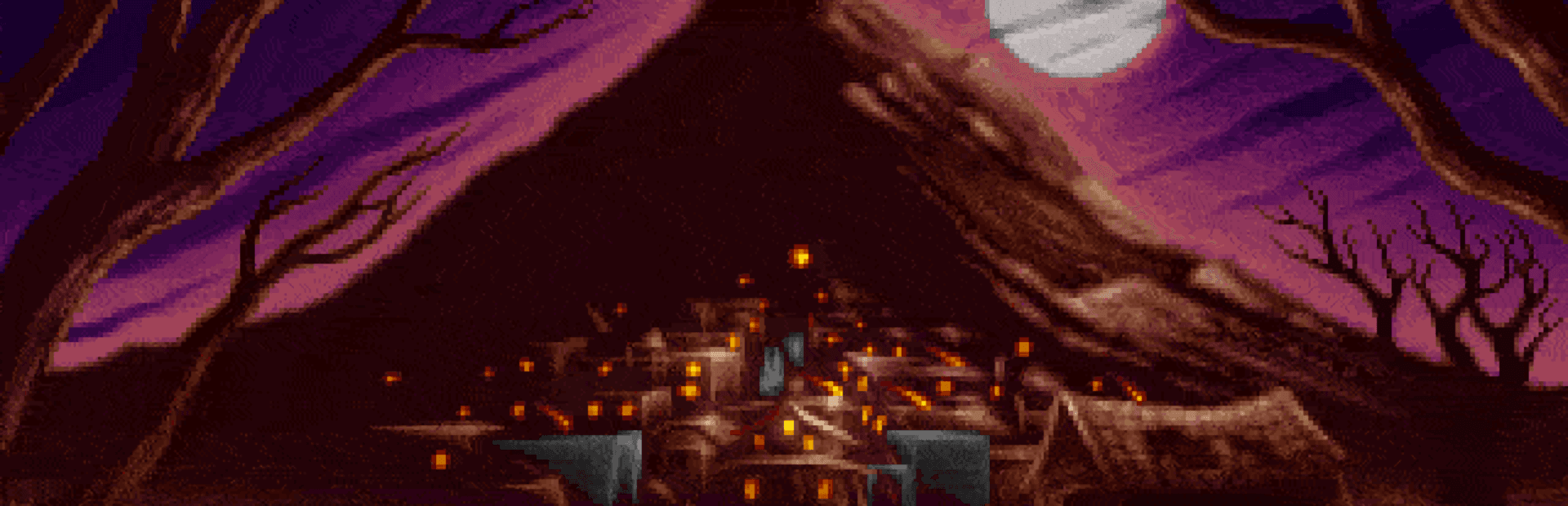
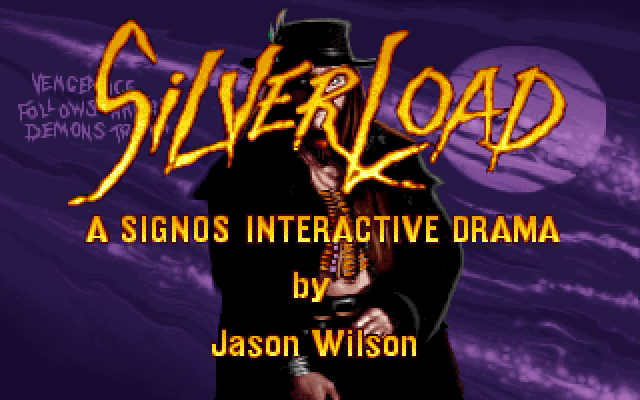
Silverload puts you in the worn boots of a half-Native American bounty hunter entering a cursed, storm-wracked mining town to rescue a kidnapped boy from supernatural horrors.
Millennium Interactive built a horror western on an interface that fights back
Designing a Wild West horror adventure around static pre-rendered screens and an unforgiving inventory limit means every single mouse click carries genuine risk. Released in 1995 by Millennium Interactive and distributed by Psygnosis, this dark adventure trades standard cowboy tropes for bloodsucking vampires, lycanthropes, and ancient tribal curses. You wander into town after a frantic father begs you to rescue his son Ben, but reaching the boy requires navigating some of the most punishing mechanics of the era.
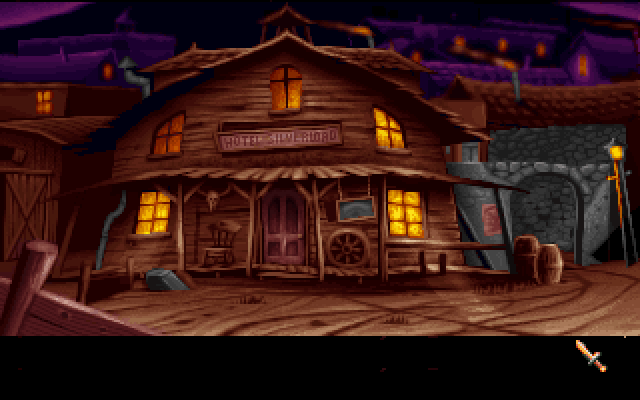
The game relies on the proprietary SIGNOS engine, previously seen in Daughter of Serpents, which presents the town through a first-person perspective with interactive hotspots and branching dialogue. Designer Jason Wilson and programmer Keith Hook filled the settlement with eerie locations, from abandoned mines built on sacred Skaedi land to shadowy saloons. Unfortunately, the engine brings severe technical quirks along for the ride. Despite a magnificent Sound Blaster intro theme complete with acoustic guitar and whistling, interactive text links trigger immersion-breaking PC speaker bleeps that chirrup over the ambient dread.
Cruel puzzle design and fatal interface traps turn the town into a minefield
Most adventure titles from the mid-nineties let you experiment with items until you stumble onto a solution, but this design actively punishes curiosity. Interactive hotspots frequently trigger instant deaths that kick you straight back to the operating system without warning. Worse still, hitting the Escape key anywhere in the game instantly kills the process and dumps you to the command prompt without a confirmation prompt or auto-save. If you have not saved your progress manually in the past ten minutes, one wrong keystroke wipes out your entire run.
The inventory system introduces a weight limit that makes simple exploration a chore. You cannot simply hoard every document, key, and object you find, because carrying too much overloads your character and forces you to drop items on the dirt floor. If you miss talking to specific townsfolk like Sheila, the Sheriff's mistress, or forget to hunt down the vampire Kain early on, the game allows you to keep playing for hours even though you have already locked yourself out of the true ending.
- Unannounced dead ends force complete restarts if you miss key dialogue triggers early in the story.
- Weight management mechanics restrict how many clues and items you can carry at one time.
- Combat sequences switch to a quick-draw perspective where your six-shooter must down monstrous threats instantly.
Shooting wolves and vampires brings brief relief from the inventory headaches
When you are not wrestling with item weights, combat encounters pit your six-shooter revolver against bloodthirsty shape-shifters and undead monsters. These action segments demand quick mouse reflexes, shifting the smart cursor into a targeting reticle as werewolves lunging from the shadows test your aim. Defeating these creatures requires specific preparation and knowledge gathered from town documents, giving the gunfights a tactical edge over standard arcade shooter sequences.
Dialogue plays a major role in unravelling why the mining operation collapsed after a catastrophic earthquake. Talking to characters such as archaeologist Leo Remmington provides essential lore about the Skaedi tribal land and the dark forces underneath the dirt. Yet even the writing cannot completely mask the broken navigation, where screen transitions frequently change your view angle without visual feedback, leaving you disoriented in identical-looking alleyways.
Where this cursed frontier town succeeds and where it completely collapses
Retrospective assessments of this adventure game tend to be brutal, and much of that criticism is entirely earned. Contemporary gaming magazines slammed the rigid puzzle logic and frustrating navigation, with German outlet GameStar famously placing it among the worst titles of its year. The PlayStation port released a year later replaced the pre-rendered views with full 3D environments and voice acting, but the original Silverload on PC retains a raw, unvarnished horror atmosphere that console versions lost in translation.
What holds up today is the heavy atmosphere, Richard Joseph's music track, and the sheer audacity of putting a classic western inside gothic horror. What fails completely is the basic user interface: the combination of weight limits, disorienting camera switches, and sudden desktop crashes makes a blind playthrough infuriating. Anyone curious about obscure nineties PC experiments will find plenty to dig into, provided they keep a walkthrough nearby and save their progress after every successful interaction.
You can play Silverload online right now
If you want to experience this strange horror western without the headache of setting up old software, you can play Silverload free in your browser right here. The game loads directly in your browser with zero setup required, letting you jump straight into the dust and shadows. Once you start up the classic Silverload MS-DOS game, make sure to grab the saloon key first and remember to save your game before clicking on any suspicious doors or talking to the local sheriff.